
Writing from inside the work.
Essays on barefoot biomechanics, materials, movement culture, and how we build shoes in Tokyo.
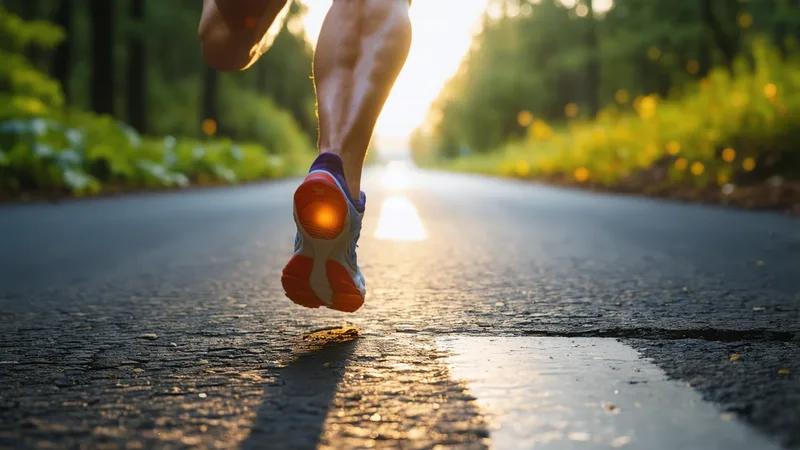
Achilles tendon adaptation to zero-drop: what the six-month timeline actually looks like
The Achilles tendon adapts on a timeline that most guides underestimate. Here is what the evidence shows and what we have observed in practice.
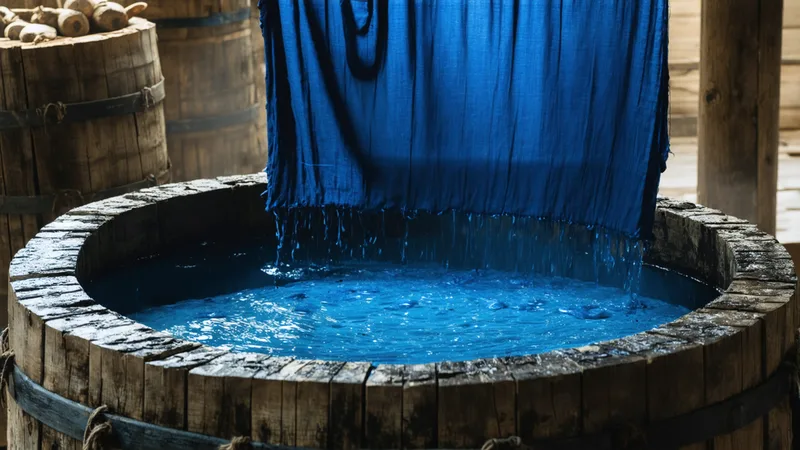
Limited Run 003: the Tokushima indigo dyeing process behind the upper
120 pairs. One colourway. A process that takes three days per batch and produces a colour that will never look the same twice.
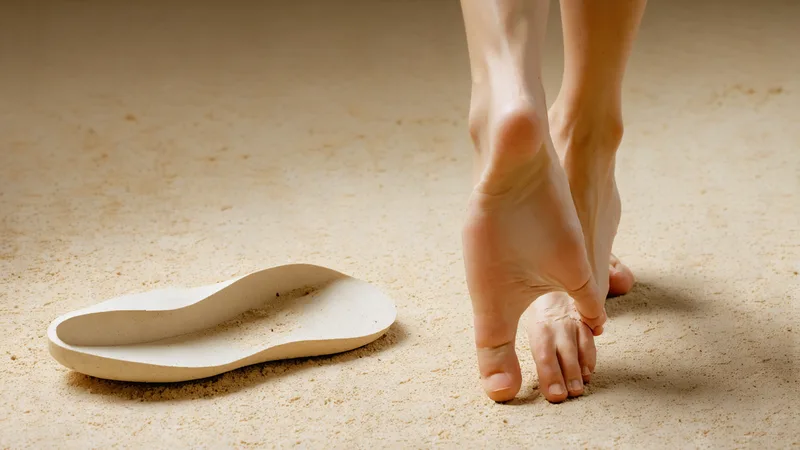
How much midsole is too much? Measuring ground feedback loss at each millimetre
The relationship between sole thickness and sensory signal degradation is not a straight line. Here is where the threshold sits, and what moves it.
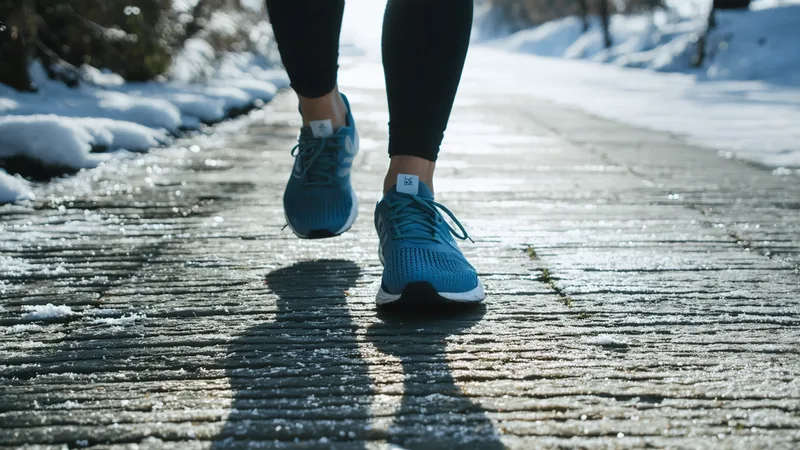
Winter running in minimal shoes: managing cold ground without losing ground feel
Cold pavement changes everything in minimal footwear. Here is how we approach winter running without sacrificing the feedback that makes it worth doing.
Two years of NEULO: what we built, what we got wrong, and what we're doing next
A direct account from the founder. No spin.
Foot strength training: the exercises that prepare you for zero-drop running
Your foot has 26 bones, 33 joints, and 100+ muscles. Most runners never train any of them.
What Tokyo's shoemaking tradition taught us about lasting design
The craftspeople in Asakusa have been making shoes for 70 years. Their standards raised ours.
Trail running with minimal shoes: what changes, what improves, what hurts first
The Trail Glider started as a weekend experiment on the Okutama ridgeline. This is what we found.
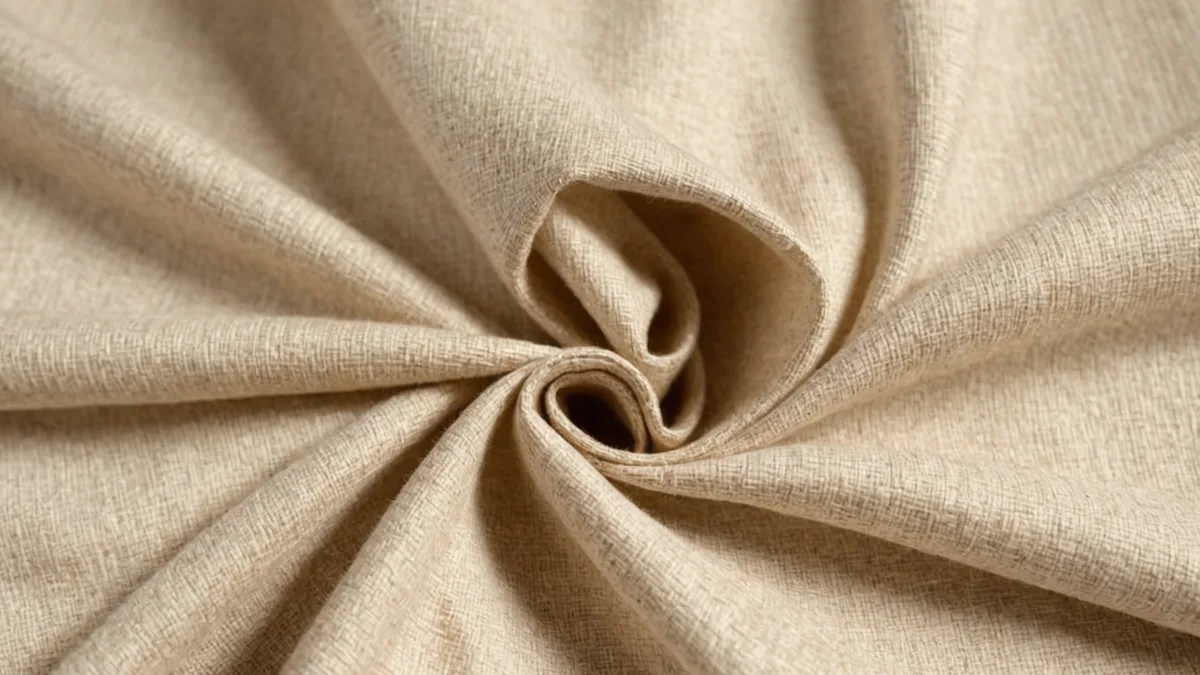
Why we use unbleached canvas — and the chemical processes we chose not to
Conventional shoe uppers go through up to 40 chemical processes. We cut that to six.
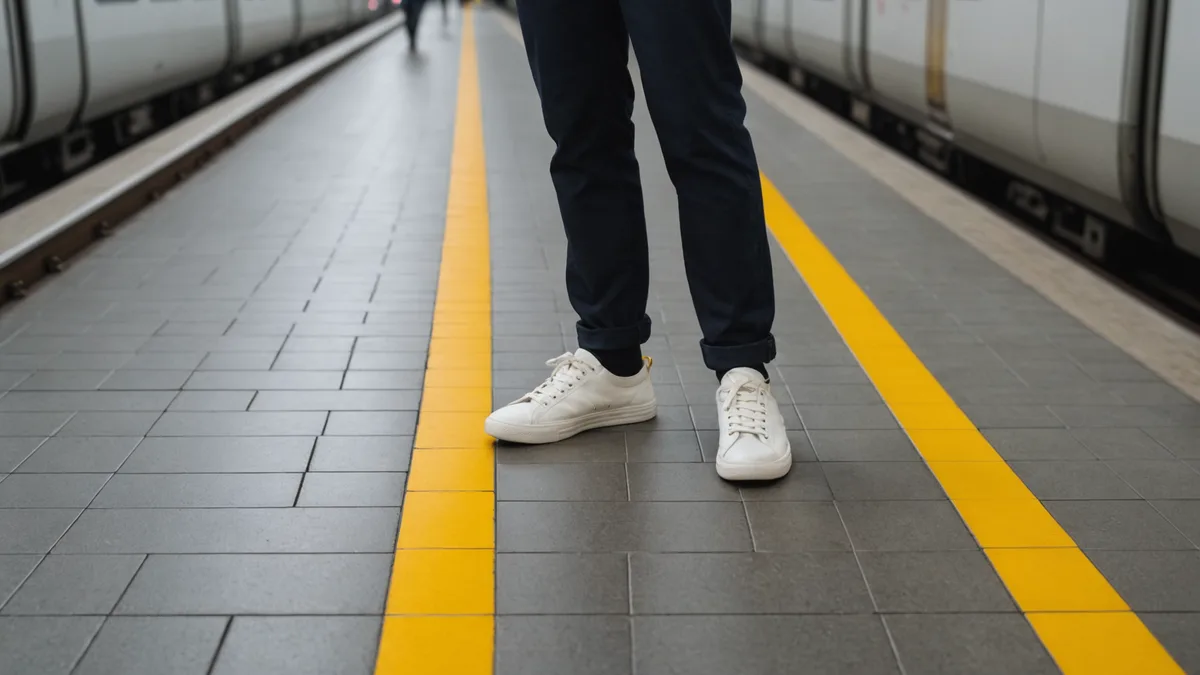
Can you commute in barefoot shoes? We wore them every day for six months.
The Urban Flat was designed for the Tokyo commute. Here is what we discovered wearing it daily.
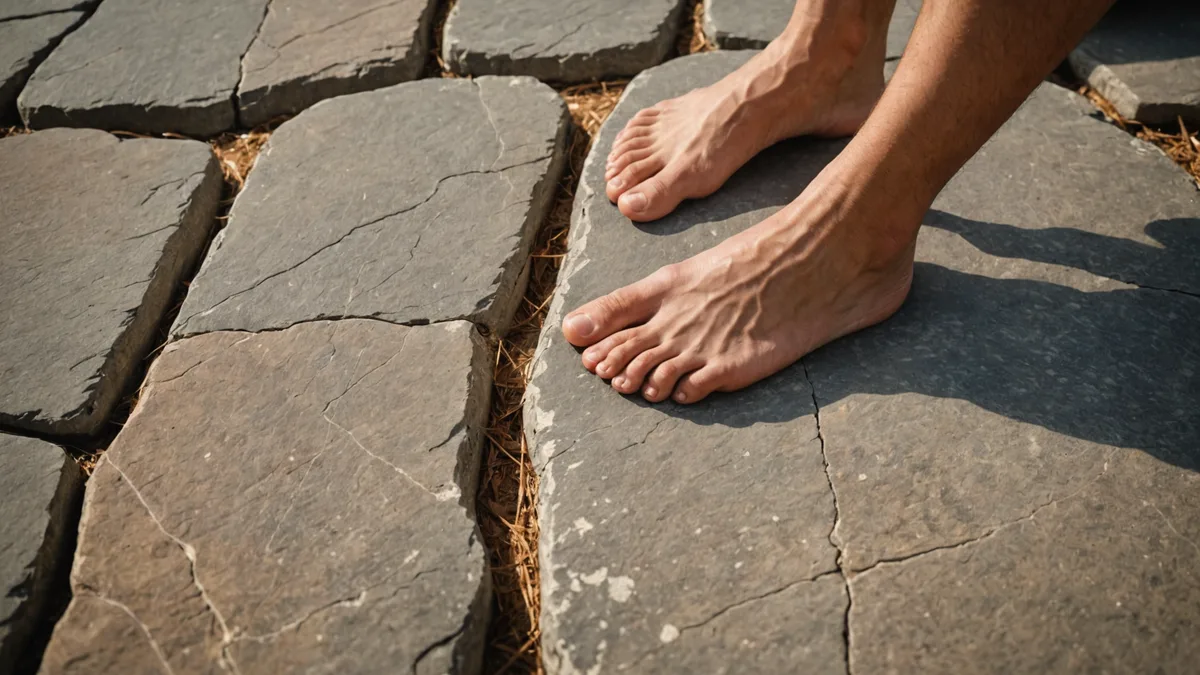
Proprioception: what your feet are reading that your shoes are blocking
200,000 nerve endings in the human foot evolved over millions of years. Cushioning insoles filter out most of what they're trying to tell you.
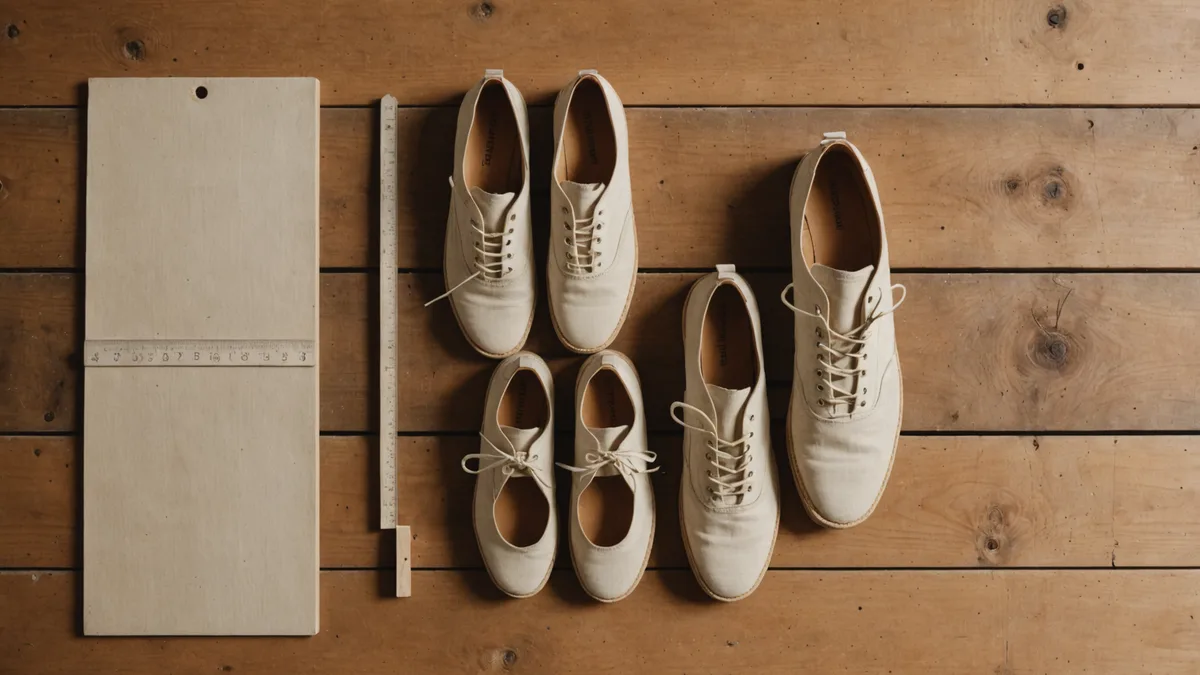
From sketch to sole: how we developed the Arc Runner
Eleven prototypes, three Tokyo shoemakers, and one decision that changed everything about the last shape.
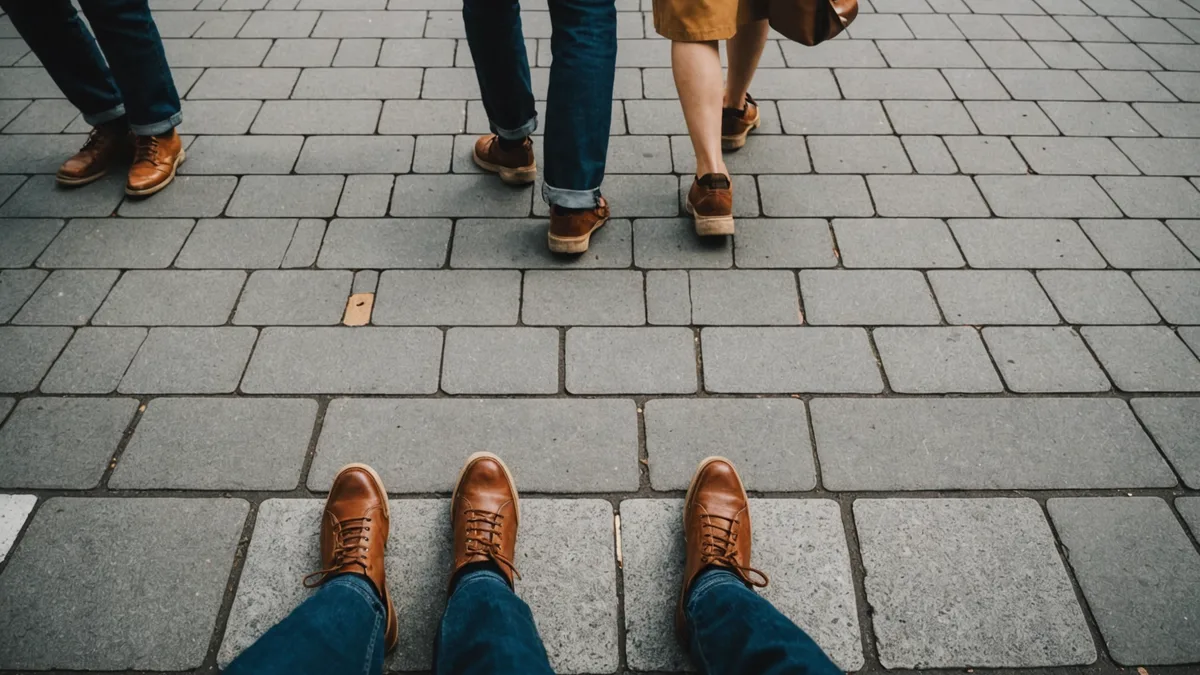
What Harajuku footwear culture taught us about making shoes people care about
In Jingumae, shoes are a statement. We wanted ours to say something true.
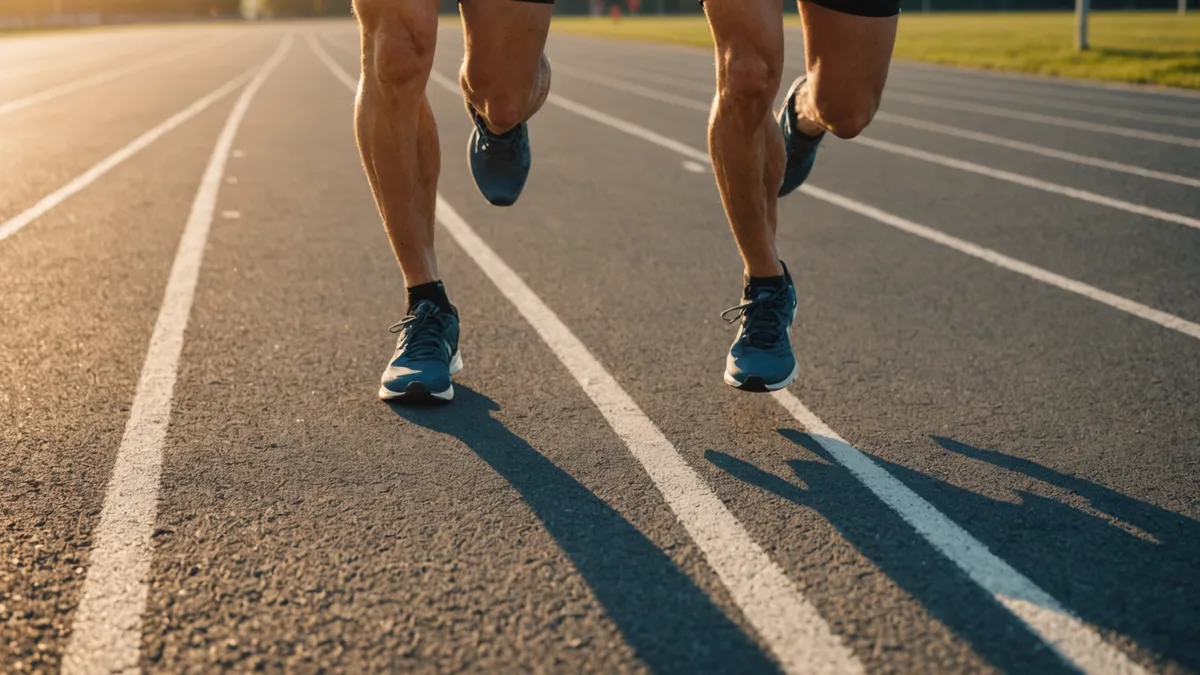
Transitioning to minimalist shoes: a week-by-week guide for runners
Most foot problems in barefoot running come from switching too fast. Here is how to do it right.
Why we chose natural rubber — and what it cost us
Natural rubber outsoles are heavier, more expensive, and harder to source. They're also the right choice.
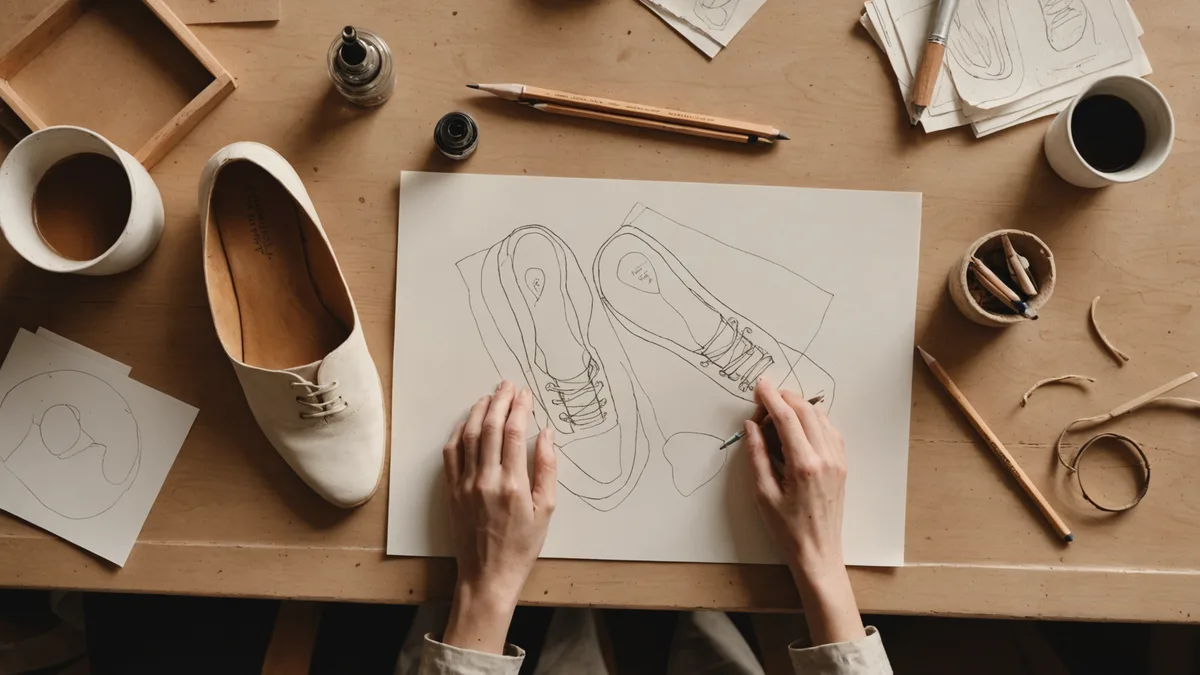
The wide toe box design challenge: making a functional shoe that doesn't look orthopedic
Wide toe boxes work biomechanically. Making one that people actually want to wear is the harder problem.
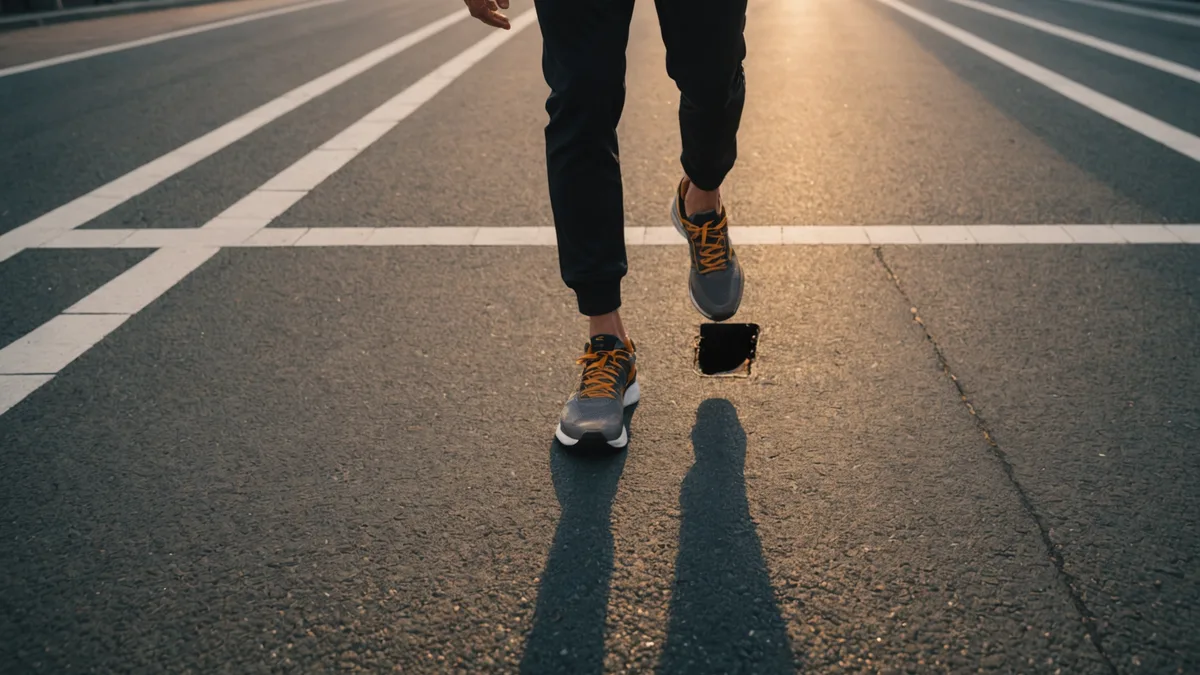
Running bare in a city built for shoes: what we learned testing in Tokyo
Tokyo's sidewalks are as varied as any trail. Testing on them taught us things a laboratory never could.
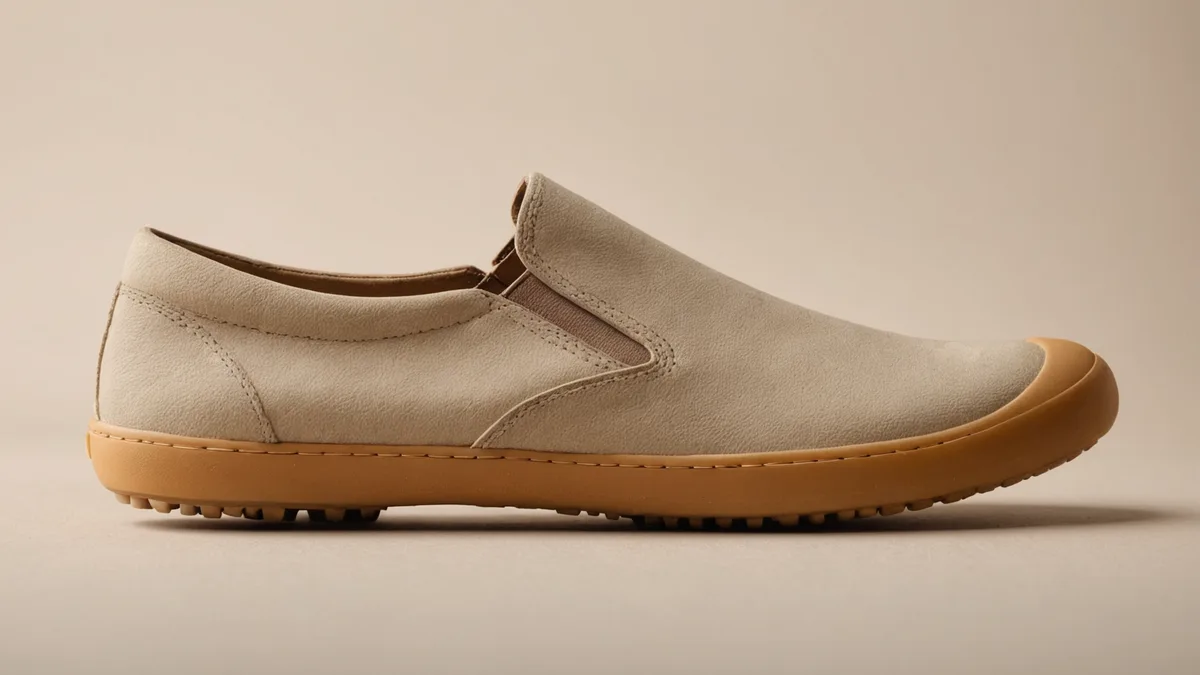
Why zero drop matters — and why it took us two years to get it right
Zero drop sounds simple: no heel elevation. But getting it right in a shoe you can actually wear all day took longer than we expected.